

SUMMARY
YEAR
2025
ROLE
Principal Product designer
CONTRIBUTION
LEGACY MODERNIZATION · STATE-DRIVEN ARCHITECTURE · COMPLIANCE RISK MITIGATION · TECH ALIGNMENT
TOOLS
FIGMA · MIRO · JIRA · CONFLUENCE
CONTEXT
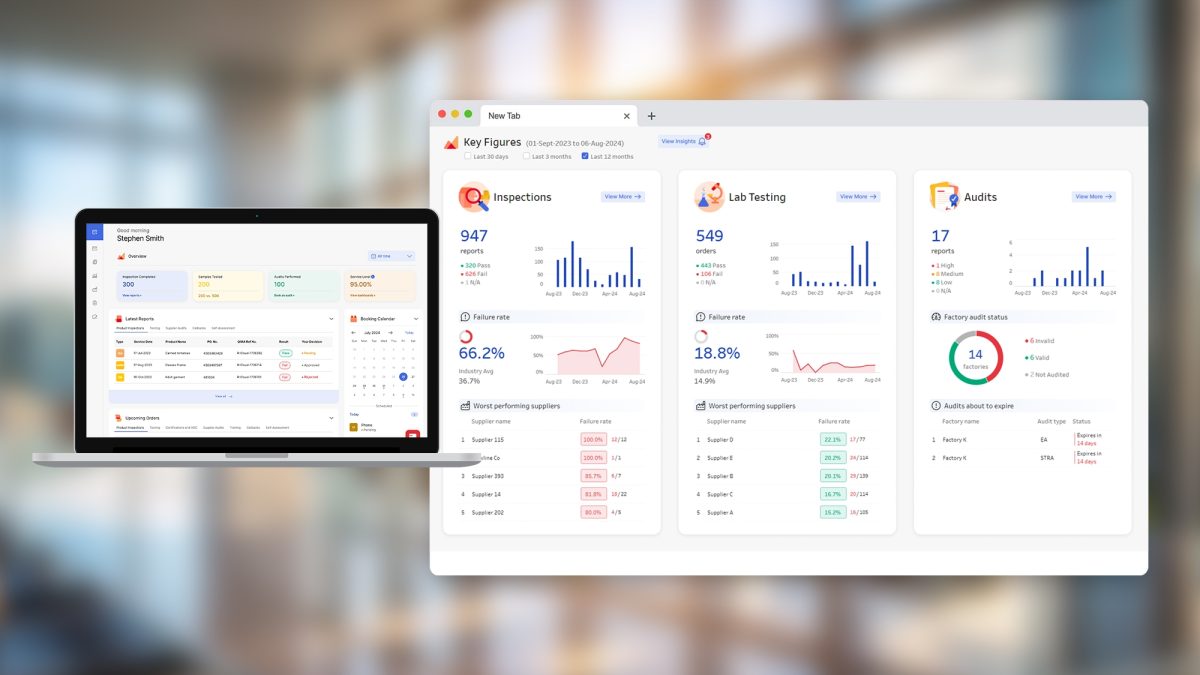
SYSTEM
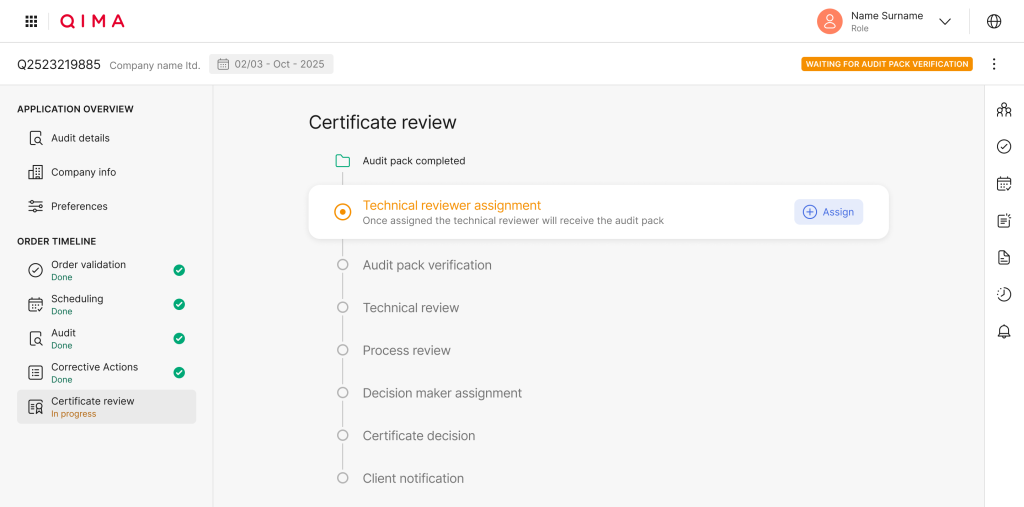
State-Driven Architecture: Defined complex asynchronous workflows and granular permission systems (RBAC) to handle heavy regulatory data loads.
The Angular Migration: The company had a hard technical need to switch the entire stack to Angular. I negotiated directly with Engineering to map all UI logic strictly against this migration, ensuring design decisions enabled the development pipeline instead of blocking it.
Error Mitigation: Designed robust fallback states and asynchronous error handling. Treated compliance edge cases as primary user journeys to prevent systemic failures.
IMPACT
Delivered: Architected the E2E transition from a legacy setup into a scalable white-label B2B SaaS product ready for third-party commercialization.
Front-End OpEx: By aligning design complexity strictly with the Angular stack limitations, I prevented the creation of new technical debt and protected engineering capacity.
Risk Reduction: The state-driven architecture mitigated the legal and operational risks previously tied to data-handling errors in the legacy platform.